
Lion tailing trees is an extremely risky practice, but do you know why? In this post, Oregon Arborist, your go-to tree pruning experts in Lafayette, OR, explains why gutting your tree is as dangerous as topping it.
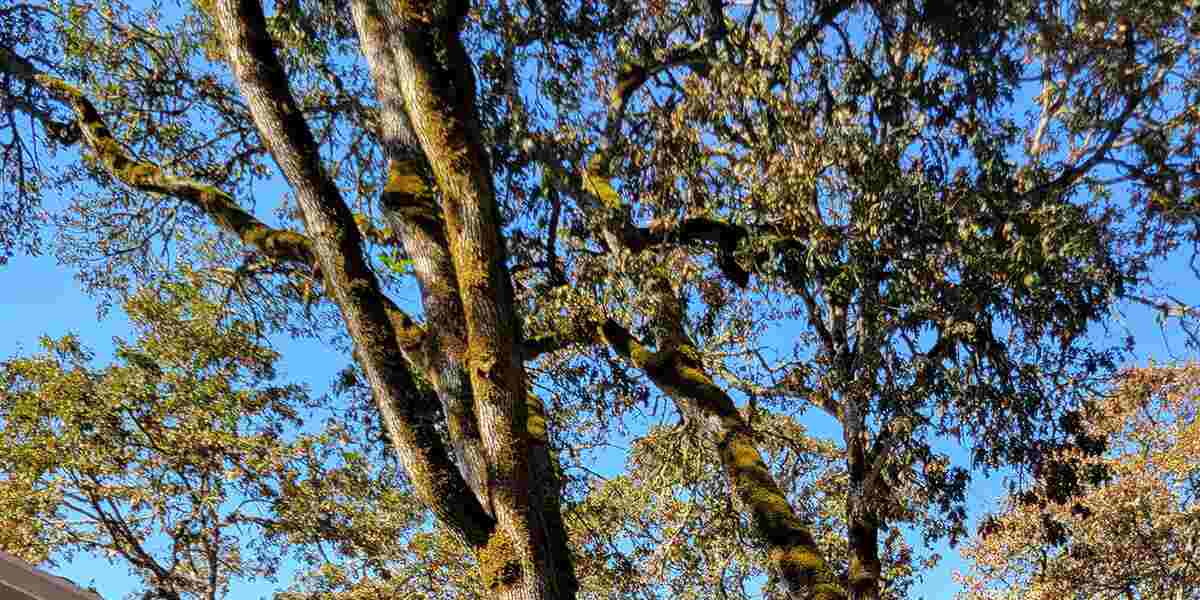
What Is Lion Tailing?
The somewhat descriptive name refers to the practice of removing much of the tree’s interior branches and foliage, leaving only the leaves at the end. This makes each branch look long and thin, with a pouffy end, similar to a lion’s tail.
It’s not as ugly as tree topping, but it can be as damaging because trees need leaves to produce food. A tailed tree may not be able to support itself properly.
Why Is Lion’s Tailing Dangerous?
When you understand tree care and proper pruning, you know that you should never trim more than a third of the branches and foliage. Lion tailing trees is a type of over-pruning because you remove much of the necessary inner structure and run the risk of:
- End-Heavy Branches: The branches are heavier at the one end, and there are no supportive branches on the inside. Therefore, the edges are more prone to breaking, and the tree can topple more easily.
- Weakened Branches: The limbs are weak and more likely to be susceptible to environmental damage. There’s nothing stopping the wind from ripping through and whipping a branch off.
- Suckers Grow: Many trees send out shoots in a desperate attempt to restore their structure. This weakens the tree more.
- Sunscald: When you remove so much foliage, you expose the trunk and this can lead to sunscalding.
- Cracks and Rotting: With less foliage to shade them, the branches are more susceptible to drying out, cracking, and rotting.
- A Higher Risk of Disease and Insect Infestation: The pruning cuts leave wounds that bugs and diseases can enter through. The tree, in its ailing state, is less able to ward off these attacks.
How to Fix Lion’s Tailing
It’s not all doom and gloom. If you act quickly, you can help your tree recover from this harmful practice. You can do this by stopping any further pruning except to remove dead, damaged, or diseased wood.
The tree should send out sprouts, so let them grow and then thin them out carefully. Weed out those that are weak or in an awkward position. You want to have a canopy with good spacing between the branches so that air can flow freely while ensuring the foliage provides enough shade.
Give your tree a chance to recover before pruning it harshly again. It will take a few seasons to start to look lush again, so you need to be patient.
Get Professional Help
Now that you know that lion tailing trees is wrong, are you worried about the plants in your yard? Do you need help pruning a dying tree or helping one recover from incorrect trimming techniques? Call Oregon Arborist at (503) 899-4166 for expert assistance in nursing your trees back to optimal health and keeping them neat.