
Pruning helps trees look their best while promoting healthy growth. However, pruning a dying tree requires a bit more attention to ensure quality results. Incorrect pruning can further decrease tree health, causing more harm than good.
Fortunately, Oregon Arborist created a short guide explaining how to prune dying trees and how it can help them recover.
Oregon Arborist is one of Lafayette’s most trusted professional arboriculture services. For top-quality tree pruning in Lafayette, OR, at affordable prices, contact Oregon Arborist.
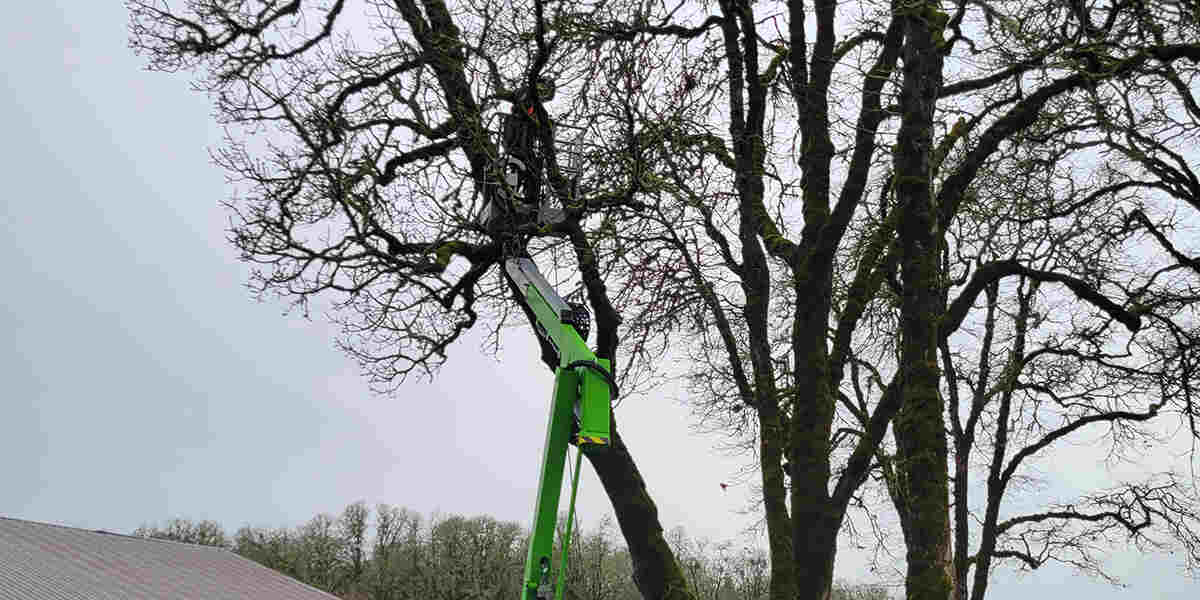
Benefits of Pruning Dying Trees
Like pruning healthy trees, trimming dying or diseased trees provides numerous benefits and can even promote recovery. Leaving diseased branches on dying trees can cause the infection to spread, allowing it to overtake the entire tree. Removing these limbs swiftly will prevent the disease from spreading and help it grow new, healthy branches.
Although trees shed dead branches over time, pruning them will give them a significant boost and help them heal faster and more efficiently. That said, it’s crucial to understand the proper pruning techniques to ensure a safe and successful process.
Three Tips for Pruning Dying Trees
Pruning a dying tree correctly can save it from premature death. Below are a few tips for pruning dying trees in Lafayette, Oregon:
1. Pure the Most Damaged or Diseased Branches First
It’s best to identify and prune the most damaged and diseased tree branches first since they are the most problematic. Overly damaged branches make fantastic entry points for disease, while diseased branches can spread the ailment to healthier limbs and the tree’s trunk. Eliminating these branches first will prevent spreading while increasing the tree’s visual appeal.
2. Trim Crossing Branches
Crossing branches, including hanging branches of trees, can rub together in strong winds, damaging their structure. They also make great entry points for diseases since most enter through wounds. Cutting crossing branches will prevent structural damage and diminish the chances of disease.
3. Know the Difference Between Dead Limbs and Dormant Limbs
Many homeowners mistake dormant branches for dead limbs and prune them accidentally. Dormant branches are healthy tree limbs that lose their leaves during fall to prepare for winter. Although dead limbs also appear leafless, they won’t regrow leaves during spring and summer like dormant branches.
Below are a few signs of dead tree limbs:
- Hollow wood
- Missing bark
- Missing buds at the nodes
Never trim dormant branches unless they cross or experience disease. Dormant limbs will regrow leaves once spring arrives, helping the tree look its best.
Contact Oregon Arborist for First-Class Dying Tree Pruning in Lafayette, Oregon
If you need help pruning a dying tree and want the best results, contact Oregon Arborist. Our tree care experts will improve the dying tree’s health with top-quality pruning methods that promote growth while limiting disease. Whether you need professional tree maintenance or wonder, “Can ants kill a tree?” Oregon Arborist has you covered.
Give Oregon Arborist a call at (503) 899-4166 or reach out to us online and schedule your appointment in Lafayette, Oregon, today!