
When one of your trees has unusually dry and weak branches, you may find yourself in a dilemma. Is this a mere seasonal symptom or a forewarning of a more drastic, impending arboreal crisis?
As Lafayette’s trusted tree pruning crew, we at Oregon Arborist are here to give you the scoop on brittle tree branches and help you determine if it’s time to call for intervention.
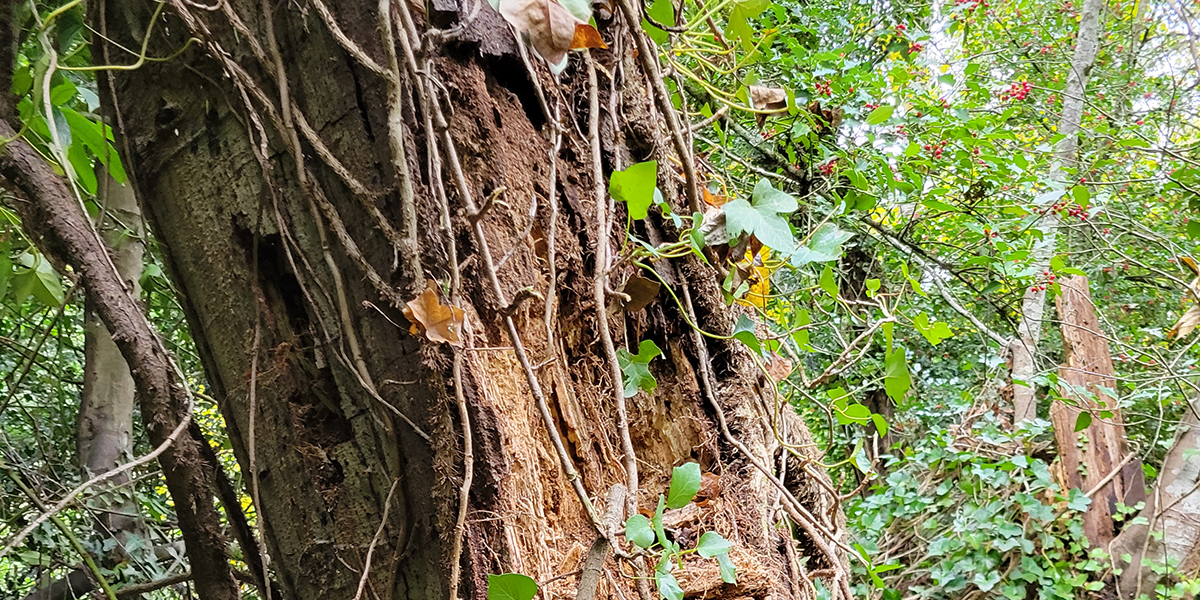
It’s a Natural Feature of Your Tree
In the race to touch the sky, fast-growing tree varieties often compromise on the quality of branches they produce. Their growth is so rapid that the wood lacks the density and strength of slower-growing species. Some species with this potential downside include:
- Southern magnolia
- Russian olive
- Silver maple
- Locust tree
- Bottlebrush
- Tulip
- Willow
A Textbook Case of Over-Fertilization
Overfertilizing is a fairly common error made by beginner gardeners who believe that adding heaps of nutrients will result in a lush, towering tree. Unfortunately, the opposite often rings true. It essentially force-feeds the tree, inducing excessive, rapid growth.
The branches, in a “sugar-rush” of nutrients, sprout quickly but hold little strength. It leaves you with a fragile structure that breaks under minor stress from wind or the weight of its own foliage.
The Harsh Effects of Hot and Dry Weather
Drought stress is another culprit sneaking into the list of factors causing brittle tree branches. This usually happens when Mother Nature decides to be a bit stingy with rainfall or you forget to water your specimen adequately.
In a desperate bid to conserve moisture, the tree starts shutting down some of its parts. The first victims? The branches, which become dry, thin, and more susceptible to damage.
Watch Out for Infestations and Infections
You can’t discuss brittle branches without mentioning a tree’s tiny insect adversaries. Pest infestations, such as bark beetles or borers, can silently invade your plant, nibbling away at its vitality. Their incessant munching disrupts the nutrient flow, causing branches to lose their vigor and turn brittle.
Tree diseases can have a similar gloomy effect on your beloved specimen. For instance, Verticillium wilt, a soil-borne fungus, causes wilting and browning branches.
Pruning and applying the appropriate fungicide or insecticide can address these issues. Unfortunately, severe cases may require full tree removal.
What to Do Next
With so many potential causes, it’s easy to feel overwhelmed when you encounter brittle tree branches.
Start by assessing the situation and determine if any of the criteria discussed above applies to your case. Try implementing organic solutions like a balanced fertilizer program or deep-soaking your specimen during dry spells. Pruning dead branches may also help.
When the problem seems severe, and you’re concerned about the structural integrity of the tree, our specialists at Oregon Arborist can help. Call (503) 899-4166 and let us diagnose your brittle tree branches and take appropriate action. We take pride in helping our clients protect their living landscapes and preserve their beauty for future generations. Reach out to us today.