
Stumps left behind after tree removal are unsightly and potential safety hazards. They can also lead to significant soil disruption and pest infestation as they rot. Tree service professionals typically handle stump residue with grinding or removal. Each method has independent benefits and drawbacks.
Oregon Arborist, Yamhill’s best tree service company, provides a discussion for the benefit of property owners that addresses that question — stump grinding vs. removal.
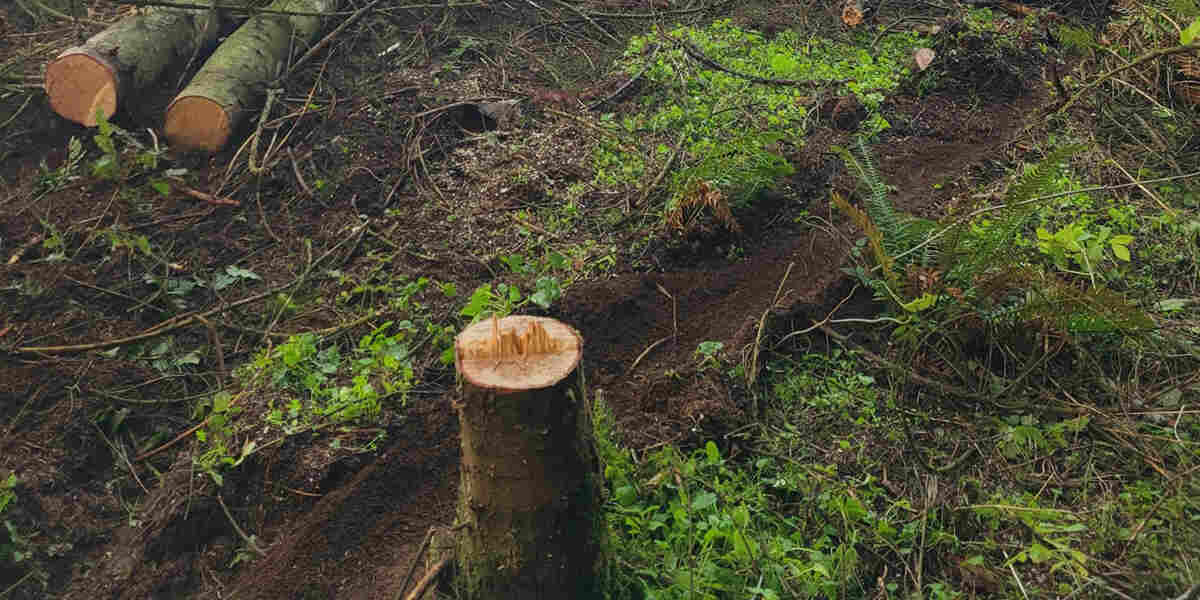
Stump Grinding
Surface-level stump grinding involves specialized heavy equipment. Tree professionals grind the stump where it stands. The process turns the stump into wood chips, removes all parts visible above-ground, and leaves the root system intact. Property owners often use the chips as landscaping mulch.
The benefits of stump grinding include:
- Cost-effectiveness. Stump grinding typically costs less than complete removal.
- Speed and efficiency. The process is relatively fast and allows you to reclaim your yard quickly. Tree service professionals backfill the hole with wood chips or soil for a seamless finish.
- Lower impact on surrounding yard surfaces. Stump grinding reduces the need for extensive digging. The operation’s footprint is smaller and leaves behind a small backfill surface.
The downsides of stump grinding vs. removal include:
- Root system remains. The dead roots stay in place, and sometimes, they produce new shoots and attract infestation by fungi and pests, including destructive termites.
- Limited land use. The leftover roots can restrict new tree planting or construction on the site.
Complete Stump Removal
Removal extracts the entire stump along with the tree’s root system. Owners often prefer removal if they plan to replant, build, or just want completely remediated soil.
The benefits of stump removal include:
- Total elimination. No risk remains of regrowth or hidden obstacles. The remediated area is entirely usable for future projects.
- Pest prevention. Removing all wood structures minimizes the risk of termites or fungal infections that decaying wood attracts.
- Landscaping and construction advantages. Removal leaves soil free of root interference. This allows newly planted trees to expand and grow freely and supports proper subsurface drainage.
The downsides of stump removal include:
- Higher cost. Stump removal costs more due to the additional labor and equipment required to extract the root system. There is also more debris to remove and haul away.
- Longer process. Removal takes more time than stump grinding and requires additional steps — filling the resulting hole with soil and disposing of the stump and roots.
Stump Grinding or Removal? Call Oregon Arborist for Help With Tree Stump Elimination
Choosing between professional stump disposal methods depends on your budget, plans for the space, and how quickly you want the job done. Some prefer the stump grinding benefits of a faster, less expensive solution, while others opt for root system extraction through complete removal to ensure restoration of their soil structure for future projects or land clearing needs.
Stump grinding vs. removal: which should you choose? Oregon Arborist provides Yamhill area property owners with expert advice tailored to their situation. We’ll help you decide which works best for you.
Contact us online or call (503) 899-4166 today to schedule a consultation and service.