
For many homeowners, the question of tree trimming vs pruning isn’t really a question at all. They assume they mean the same thing, only to learn that they’re very different after inadvertently damaging their trees.
Understanding the differences between tree care terms can make a big difference in your trees’ health and safety. Working with a tree service in Gaston, OR, ensures that your landscaping receives the right service, but to be sure you understand what an arborist recommends, review our pruning vs. trimming guide.
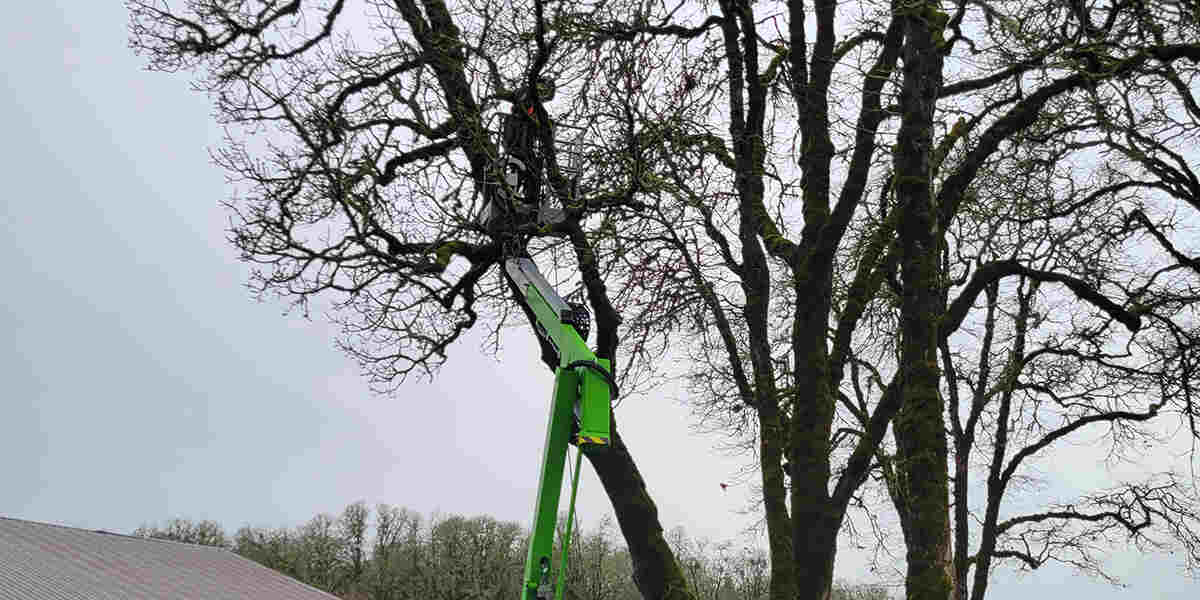
Looks vs. Health: The Main Difference Between Trimming and Pruning
At their core, the difference in tree trimming vs. pruning comes down to appearance vs. health.
Tree trimming focuses on appearance and safety. Crews shape hedges, clear branches away from roofs and power lines, give your landscape a clean, manicured look, and help the tree get more sunlight and air circulation.
Skilled teams use a range of tree-trimming techniques, from thinning crowded areas to lifting the canopy for better visibility. It’s usually performed once or twice a year, depending on how fast the tree grows.
Pruning methods, on the other hand, remove dead, diseased, or crossing branches to improve the tree’s structure and long-term health. Arborists make strategic cuts that encourage vigorous growth and prevent hazards without stressing the tree. Proper cuts help the tree heal faster and lower the chances of pest issues.
Does Your Tree Need Trimming or Pruning?
Choosing between tree trimming vs. pruning depends on your goals and the tree’s condition. If the tree looks unruly, blocks a nice view, or leans too close for comfort, consider trimming as the better fit. If the tree shows signs of disease, storm damage, or dead limbs, pruning is the safer choice.
Your decision also depends on the type of tree. Some species respond better to light trims, while others need careful pruning to avoid stress.
Timing the service correctly also makes a difference. Late winter to early spring works best for most pruning because dormant trees heal faster. Summer trimming keeps fast-growing shrubs and ornamental trees under control and prevents storm damage during Oregon’s windy season.
Should You DIY or Call the Professionals?
Many homeowners can tackle light trimming themselves with pole pruners or hedge clippers. Serious pruning, however, demands sharp bypass pruners, pruning saws, and knowledge of where to cut without harming the tree. One wrong move can invite pests and diseases that spread fast in Oregon’s wet climate.
However, climbing ladders with chainsaws or tackling branches near power lines is dangerous and not a job for an untrained homeowner. Arborists know how to do the work correctly and carry insurance.
Little Cuts Now Prevent Big Problems Later
Proper tree care beats emergency tree removal every time, so get in touch with Oregon Arborist to discuss your tree needs and develop the right maintenance plan. Whether trees need simple shaping or detailed pruning methods, the crew handles everything with the latest guide to professional tree-trimming equipment and years of experience.
When it comes to tree trimming vs. pruning, don’t guess. Call Oregon Arborist at (503) 899-4166 and make the right choice.