
You’re most likely dealing with a burl, but the good news is that it’s generally harmless. At Oregon Arborist, we offer professional tree services in Gaston, OR. In this post, we’ll help you understand what causes burls on trees and how to address them.
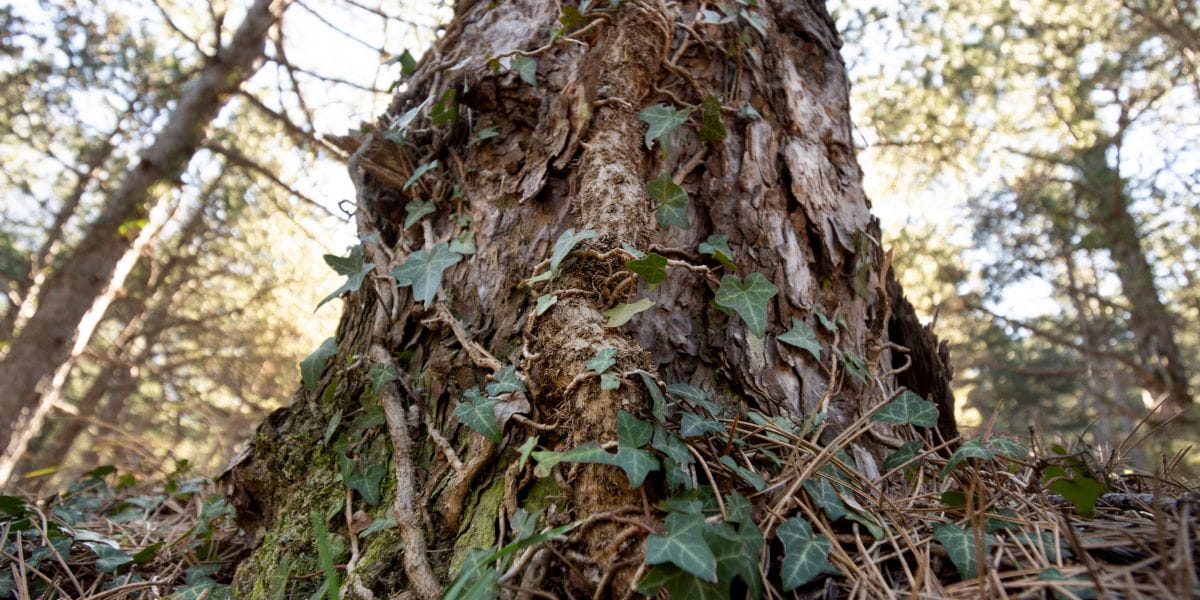
What Are Tree Burls?
A burl is a round swelling that usually appears on tree trunks. It varies in size and indicates a disruption in the tree’s growth.
While tree burls commonly form on trunks and branches, they may also develop underneath the soil. However, you’ll often only notice the burls that appear above ground. When you do, it doesn’t mean your tree is in any danger.
You may be worried that a burl is ruining the appearance of your tree. By the same token, woodworkers prize these defects and use them as raw materials in high-end furniture.
Any tree species can develop burls, but you’ll mostly find them on:
- Cherry
- Ash
- Walnut
- Maple trees
Common Causes of Burls on Trees
Now that you understand how burls form on trees, you may be wondering about the exact causes.
Here are the most common factors:
- Pest infestations: Insects and pests feeding on your tree can trigger its natural defense mechanisms. Consequently, the tree may develop a bulbous, abnormal growth to seal off the affected area.
- Physical injury or trauma: If you hit a section of your tree’s trunk with a lawnmower or other equipment, it may develop a burl over the injured area.
- Disease and fungal infections: Disease-carrying microorganisms can infect your tree and modify its growth hormones. The result can be a rapid, irregular tumor-like bulge on the trunk.
- Environmental stress: Freeze damage, prolonged drought, waterlogged soil, and other harsh environmental conditions can cause abnormal cell growth on your trees.
- Genetic factors: Some trees may have a genetic predisposition to grow burls even without external stress.
Are Tree Burls Preventable?
After learning why trees develop burls, you might ask, “Can I prevent my trees from developing burls?”
There are still no proven ways to protect your trees from burls. However, because stress is a common factor in the development of these growths, caring for your tree may help reduce susceptibility.
A reputable arborist can advise you on appropriate tree care practices to minimize exposure to potential triggers. You can also learn how to safely remove burls if they already exist.
It’s worth noting that burl wood can be harvested and used for various purposes, including:
- Furniture veneers
- Inlays in cabinets
- Wall panels
- Creating vases, bowls, and other small art pieces
Ask Oregon Arborists for Help With Tree Burls in Gaston, OR
Now that you understand what causes burls on trees, you can turn to Oregon Arborist for help with the problem.
Call us at 503-899-4166 for a free estimate and to learn more about improving tree health with a certified arborist in Gaston, OR.