
A tree in the yard rarely looks dangerous until it already is. Homeowners often notice a lean, a bare patch in the canopy, or a strange soft spot near the base and are not sure whether it is something to worry about or just how an old tree looks. That uncertainty matters because a tree that is quietly failing can come down without much warning, especially during Willamette Valley storm season. Knowing the real warning signs, and when a certified arborist should take a closer look, can be the difference between a manageable trim and an emergency call.
This guide walks through what tree removal in Lafayette, OR homeowners should watch for, why timing matters, and what tends to drive the cost of the work. It also covers a newer concern spreading through nearby communities that is worth knowing about even if your trees look healthy today.
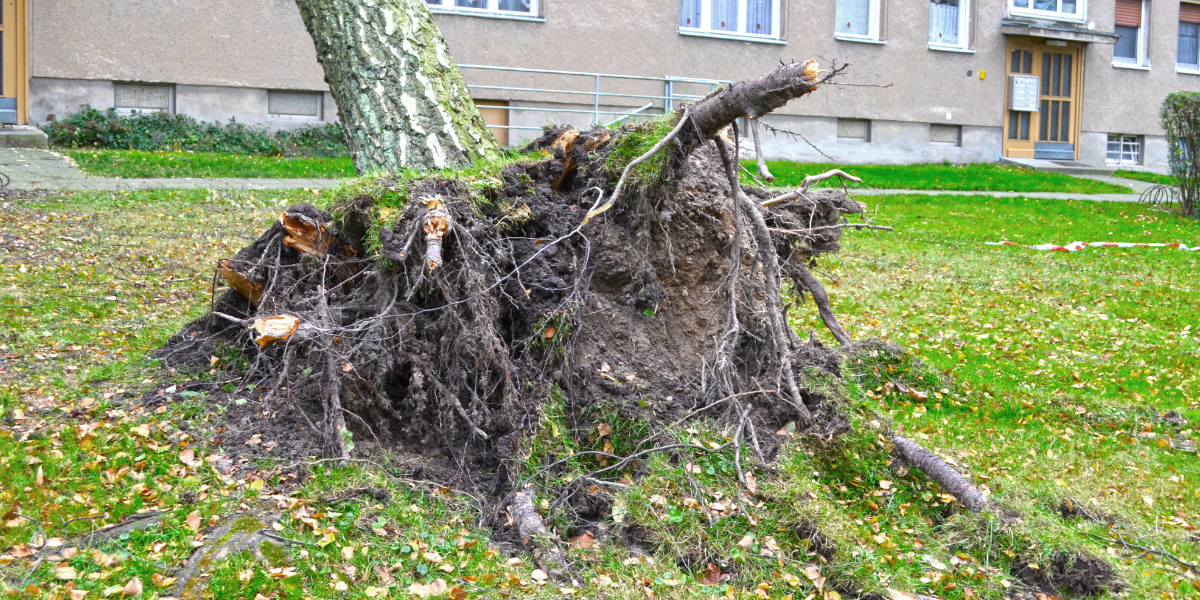
Signs Your Tree May Need to Come Down
Leaning Trunks and Root Damage
A tree that has always grown straight and suddenly starts leaning is telling you something has changed below the surface. Root damage from construction, grade changes, or soil compaction can take years to show up, and by the time a lean is visible the root system may already be seriously compromised. Heaving soil at the base of the trunk is one of the clearest signs of root failure and should be treated as urgent. If you notice a new lean after a storm or heavy rain, it is worth having a professional take a look before the next round of wind.
Large Dead Branches and Canopy Loss
Dead branches, sometimes called widowmakers, are unpredictable and can fall with no warning even on a calm day. A tree that has lost a large share of its canopy, whether from disease, drought stress, or age, is also under more strain than it looks. Once a tree has lost more than about a third of its crown, its odds of recovering on its own start to drop quickly. At that point, removal is often the safer and more practical choice compared to ongoing treatment.
Fungus, Cavities, and Decay at the Base
Mushrooms or shelf fungus growing at the base of a trunk are a strong indicator of root or trunk decay, even if the rest of the tree still looks green. Large cavities, bark that is falling away in sheets, or soft, spongy wood near the ground are all signs that the tree’s structural integrity has been compromised. These issues are not always visible from a distance, which is part of why an in person assessment matters more than a quick look from the driveway.
Is Emerald Ash Borer a Threat to Trees Near Lafayette?
Yes, and it is a newer concern for Yamhill County area homeowners to have on their radar. According to a recent public radio report on the Willamette Valley outbreak, the Oregon Department of Forestry recently confirmed emerald ash borer infestations in several Willamette Valley communities, including two heavily infested ash trees found in Newberg. The invasive beetle leaves D shaped exit holes in bark and S shaped feeding trails underneath, along with symptoms like bark splitting, woodpecker holes, and canopy dieback.
The good news is that not every infested tree needs to come down right away. Forestry officials note that ash trees can often be treated with pesticides while less than 30 percent of the crown has been lost, which can save the tree if the problem is caught early. Once the damage passes that point, though, removal becomes the safer option, since a fully dead ash tree can fail without warning. If you have ash trees on your property in or around Lafayette, McMinnville, or Newberg, it is worth having them checked sooner rather than later.
When Storm Season Raises the Stakes
Saturated Soils and Root Grip
Oregon’s wet winters are hard on trees that are already compromised. Saturated soil reduces how firmly roots can grip, which means a tree that seemed stable in summer can become a real risk once the rain sets in. Atmospheric river events can bring several inches of rain in a single day, and that kind of sudden saturation is often what pushes a weakened tree past its limit.
Responding to Storm-Damaged Trees Quickly
When a storm does knock down a tree or leave large limbs hanging, waiting is rarely the safer option. Damaged trees and broken limbs can shift or fall further with very little additional force, and they often sit close to driveways, roofs, or power lines. Prompt emergency tree service limits how long that hazard sits on your property and helps prevent a bad situation from getting worse.
What Determines Tree Removal Cost?
Tree removal pricing depends mainly on the size of the tree, its location, and how complex the job is to complete safely. A small tree in an open yard with easy access is a much simpler job than a large tree growing close to a house, fence, or power line, since the second scenario often requires careful rigging or a crane. Whether the crew needs to protect landscaping, hardscaping, or nearby structures during the work also affects the time and equipment involved. Access matters too, since a tree in a tight side yard or blocked by a fence line often takes longer to remove safely than one standing in open space.
Because so much depends on the specific tree and site, a written estimate after an on site visit is far more useful than a general number pulled from the internet. Stump grinding, debris hauling, and cleanup are sometimes priced separately from the removal itself, so it is worth asking what is included before work begins. Rural and vineyard adjacent properties throughout Yamhill County can also involve extra travel time or specialized equipment that a phone estimate alone cannot account for accurately.
Why a Certified Arborist’s Opinion Matters
Safety Standards and Equipment
Removing a large or hazardous tree safely takes more than a chainsaw and confidence. A certified arborist is trained in the techniques and equipment needed to bring a tree down in sections when there is no room for it to fall freely, and to do that work without putting the surrounding property at risk. That training also covers how to read a tree’s structure and decide the safest direction and method for the job.
Confirming Removal Is Really Necessary
Not every tree that looks concerning actually needs to come down. A tree that is simply overgrown, dropping a lot of leaves, or blocking a view is often a better candidate for pruning than removal. A professional assessment gives you an honest answer either way, rather than assuming the worst or ignoring a real hazard.
What Should I Do If I Have a Tree Emergency?
If a tree has already fallen or a large limb is hanging and could come down at any moment, keep people and pets away from the area and call for help right away. Do not attempt to move debris that is still under tension or resting against a structure, since it can shift unexpectedly. If the tree is touching a power line, stay well clear and contact your utility provider before anyone approaches the area.
A same day or next day response is often possible for genuine emergencies, and a professional crew can assess the situation, secure the area, and remove the hazard safely. Insurance paperwork can also feel overwhelming after storm damage, so it helps to work with a team that has handled these situations before and knows what documentation is typically needed. Reach out to our team any time you are dealing with a fallen tree or storm damage in Lafayette, McMinnville, or the surrounding area.
Get a Professional Opinion Before the Next Storm
Most trees give some kind of warning before they become a real problem, whether that is a new lean, a bare patch in the canopy, or fungus at the base. Catching those signs early gives you more options, from simple pruning to a planned removal on your own timeline rather than an emergency call during a storm. If you are dealing with an aging tree, storm damage, or a suspected pest problem like emerald ash borer, a professional opinion is the fastest way to know where you actually stand.
Our team has spent over 30 years helping property owners across Lafayette and the surrounding Willamette Valley make that call with confidence. If you have a tree that has you wondering whether it is time, contact us for a free, no obligation assessment.