
Harvest is wrapping up across Yamhill County. The fruit is in, the crush pad is busy, and for the first time in months, the rows are quiet. For vineyard owners and winery managers, that quiet stretch is the best window of the year to deal with the trees around the property. Scheduling vineyard tree service in Carlton, OR right after harvest lets you handle overgrown edges, risky limbs, and shaded blocks without working around pickers, bins, and visitors.
Trees are a big part of what makes wine country beautiful. They frame tasting rooms, line long gravel drives, and shelter vineyard blocks from wind. But left alone, they can shade vines, crowd field edges, drop limbs on trellis systems, and create real safety concerns where guests gather.
This guide covers why fall is the right time for tree work on vineyard properties, what to look for along your blocks and buildings, how to balance windbreaks with sunlight, and what to expect from a professional crew. Clear steps. Honest advice. A plan that protects your vines, your guests, and your property.
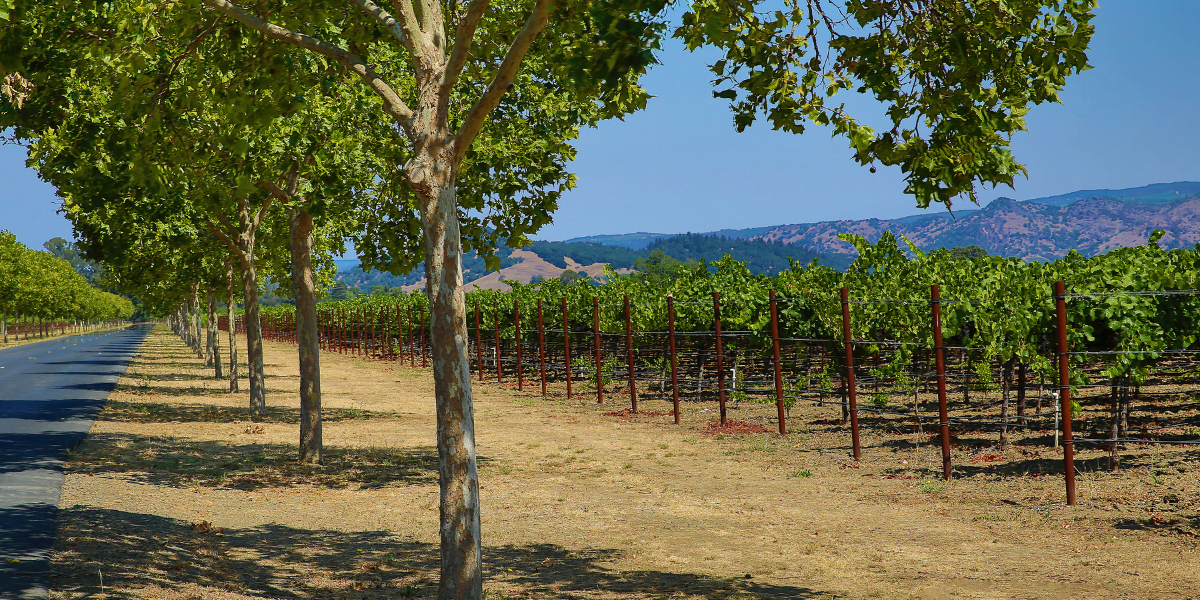
Why Schedule Vineyard Tree Service in Carlton, OR After Harvest?
Timing matters on a working vineyard. The weeks after harvest offer advantages you won’t get any other time of year.
Fewer People and Less Equipment in the Way
During the growing season and harvest, rows and roads are full of crews, tractors, and bins. After harvest, there’s room to bring in equipment, set up safe work zones, and get the job done without slowing down your operation.
Ahead of Winter Storms
Fall and winter storms in the Willamette Valley can bring wet soil and strong wind. Removing dead limbs and weak trees before the worst weather arrives lowers the chance of a tree landing on a trellis, a barn, or a guest parking area.
Time to Plan for Next Season
Fall tree work gives you a clean slate before pruning and bud break. You can see exactly which blocks gained more light and which edges still need attention before next spring.
Which Trees on a Vineyard Property Need Attention?
Every property is different, but a few areas almost always deserve a close look.
Trees Shading Vineyard Blocks
Vines need steady sunlight to ripen fruit well. Trees along the edge of a block can grow over the years until they shade the nearest rows, especially in the afternoon. Selective trimming or removal can bring that light back. Roots from large trees can also reach into the first few rows and compete with vines for water during dry summers.
Trees Along Roads and Drives
Long driveways lined with oaks or firs are part of the charm of wine country. They also carry delivery trucks, tour vans, and guests. Low limbs, dead branches, and leaning trees along these routes should be checked regularly.
Trees Near Tasting Rooms and Event Spaces
Patios, picnic areas, and event lawns often sit under mature trees. Dead limbs over places where people gather are a safety concern, and a liability one, that shouldn’t wait.
Trees Near Buildings and Infrastructure
Barns, production buildings, irrigation equipment, and power lines all need clearance. Limbs rubbing roofs or hanging over equipment can cause expensive damage in a single storm.
Should You Keep Trees as Windbreaks?
Not every tree near a vineyard is a problem. Some are doing important work, and the goal is balance, not clearing everything.
What Windbreaks Do for Farm Properties
The Oregon State University Extension guide to agroforestry practices explains that carefully maintained rows of trees can shield crops from strong wind, reduce soil erosion, and provide habitat for wildlife. The same guide notes that windbreaks work best when they’re maintained at the right density, without gaps that let wind funnel through.
Finding the Right Balance
A row of trees that blocks wind on the west side of a block may be worth keeping, even if it shades a few vines. A thoughtful plan might thin or raise the canopy rather than remove the trees entirely. An experienced arborist can help you weigh shade against shelter, block by block. That kind of judgment comes from looking at the whole property, not just one tree at a time.
When Removal Makes More Sense
If a tree is dead, diseased, leaning toward the vines, or competing heavily for water and light, removal may be the better choice. In some cases, replacing a struggling tree line with healthier trees in a better spot serves the property for decades.
What Does Professional Vineyard Tree Work Include?
Tree work on a vineyard calls for extra care. Vines, trellises, and irrigation lines are easy to damage and expensive to replace.
A Walkthrough and a Clear Plan
The process should start with a walkthrough of the property, looking at blocks, drives, buildings, and guest areas. You should come away with a clear list of what needs pruning, what needs removal, and what can be left alone, along with a price for each.
Careful Trimming and Pruning
Selective pruning can raise canopies, reduce shade, and remove dead or weak limbs while keeping healthy trees intact. Our tree trimming and pruning service focuses on the health of each tree over the long run, not just quick cuts.
Land Clearing for Expansion
If you’re planning to plant a new block or open up space for a building or parking area, land clearing can remove trees, brush, and debris so the site is ready for the next step.
Protecting Vines and Infrastructure
Large limbs near rows or buildings may need to be roped down in sections or lifted out with a crane rather than dropped. That extra care protects trellis wire, posts, drip lines, and the vines themselves. Cleanup matters too. Brush and debris should be hauled away or chipped so your rows and roads are clear when the job is done.
What Should Vineyard Owners Watch for Through the Winter?
Fall work sets you up well, but winter still brings surprises. A few simple habits help you catch problems early.
Walk the Edges After Big Storms
After a strong wind or heavy rain, take a quick drive or walk along your block edges and tree lines. Look for hanging limbs, fresh cracks, and trees that seem to be leaning more than before. Catching a problem early is far easier than cleaning up after a tree comes down on a row.
Keep Drives and Guest Areas Clear
Winter visitors still come for tastings and events. Make sure branches over drives, parking areas, and walkways are checked through the season, and call for help right away if a limb looks unsafe. Oregon Arborist offers 24/7 emergency response when a tree comes down unexpectedly.
Plan Ahead for Spring Projects
Winter is a good time to think about the year ahead. If you’re planning a new block, a new building, or a larger event space, lining up tree work and clearing early gives you room to schedule it before the growing season starts.
How Much Does Vineyard Tree Service Cost?
There’s no flat rate for vineyard work. Pricing depends on the property and the scope of the job.
What Affects the Price
The number and size of trees, how close they are to vines or buildings, access for equipment, and whether a crane is needed all play a part. A few trees along a single block edge is a very different job than clearing several acres.
Free Estimates and Clear Pricing
We offer free estimates and walk you through exactly what’s included. You decide what moves forward and when. No pressure. No hidden fees. No surprises.
Planned Work Costs Less Than Storm Damage
A tree that falls across a trellis row or onto a building in the middle of winter creates urgent, costly repairs. Planned work in the fall is almost always the more affordable path. It also lets you choose the timing, instead of having a storm choose it for you.
Put Your Window After Harvest to Work
The weeks after harvest are the best time to handle tree work on a vineyard. Focus on trees shading your blocks, limbs over drives and guest areas, and anything threatening buildings or equipment. Keep the windbreaks that are doing their job, and thin or remove the ones that aren’t.
Oregon Arborist is locally owned, licensed, bonded, and insured, with an ISA Certified Arborist on staff and more than 30 years of experience. We work with homeowners, commercial properties, and wineries across Yamhill County, including our neighbors in Carlton.
Ready to make the most of the season? Contact Oregon Arborist or call (503) 899-4166 to schedule a free estimate for your vineyard or winery.