
Have you noticed tree bark turning white on your property? Clients regularly call the team at Oregon Arborist with this same concern. While white bark can look alarming, most cases have simple explanations that range from harmless lichens to treatable fungal activity.
We’re the leading provider of professional tree services in Yamhill, Oregon, and we’d like to share the specific causes to help you protect your trees and maintain a healthy landscape.
What Are the Most Common Causes of Bark Discoloration?
The causes of white tree bark in and around Yamhill often depend on species type, local moisture levels, and sunlight exposure.
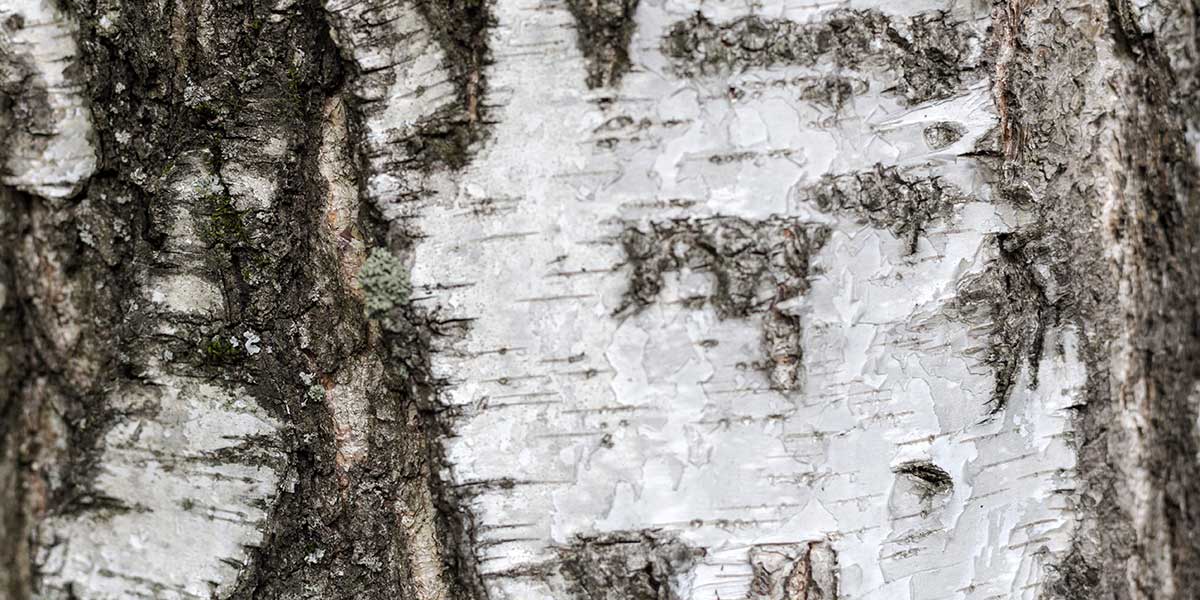
Lichens, for instance, appear as pale gray or greenish patches on oaks, maples, and fruit trees. These harmless organisms live on the bark surface and actually indicate good air quality. Other trees, such as birch or sycamore, naturally display lighter bark that peels or flakes as part of normal growth.
Sometimes, whitening results from mineral buildup when sprinklers spray hard water directly onto the trunk. This leaves a chalky residue that can be easily brushed away. However, if you notice dusty white film on twigs or new bark, powdery mildew could be present.
Although mostly cosmetic, mildew can weaken young or stressed trees and may require pruning or improving airflow.
How Weather Conditions Affect Local Tree Health
Our region’s climate can directly contribute to tree health issues in Yamhill, Oregon. Cool, damp winters promote lichen growth, while hot, dry summers increase the risk of sunscald or heat stress.
When pruning or land clearing exposes inner bark to direct sunlight, tissue can bleach or crack, giving the appearance of fading. Strategic painting of young or thin-barked trees with a properly diluted while latex solution reflects UV rays, helping prevent damage during the hottest weeks of summer.
If discoloration appears only on the south or southwest side, the issue likely stems from heat exposure rather than disease. Consistent watering and mulching help maintain stable soil temperatures and reduce stress on vulnerable trunks.
If you see shell-like bumps that don’t brush off, scale insects may be involved. Early treatment with horticultural oil in late spring usually controls infestations. In severe cases, you may notice dieback or sap oozing beneath affected bark, both of which are warning signs that need prompt evaluation.
When To Call Local Experts for Diagnosing Tree Bark Problems
You can perform simple visual checks at home, but accurately diagnosing why tree bark changes color typically requires professional expertise. A certified arborist can test for root decay, fungus, or pest activity before significant damage occurs. These inspections also include irrigation reviews and soil health assessments to identify hidden stress factors.
Protect Your Landscape With Help From Oregon Arborist
If your trees show unusual discoloration, don’t wait for the symptoms to worsen. We help property owners with comprehensive tree healthcare, including addressing tree bark turning white and eliminating black fungus on trees.
Call Oregon Arborist at (503) 899-4166 or contact us online for a free estimate and to schedule service.