
As you walk outside one fine weekend morning, you scratch your chin and look closely at the maples or alders stretching toward the sky. “I should probably do some tree maintenance,” you think aloud, noticing a few errant limbs. As Dayton’s tree service specialist, Oregon Arborist urges you to consult a pro about tree limb removal first.
You’ll learn below that pruning trees can be risky for the trees, your property, and your neighbors.
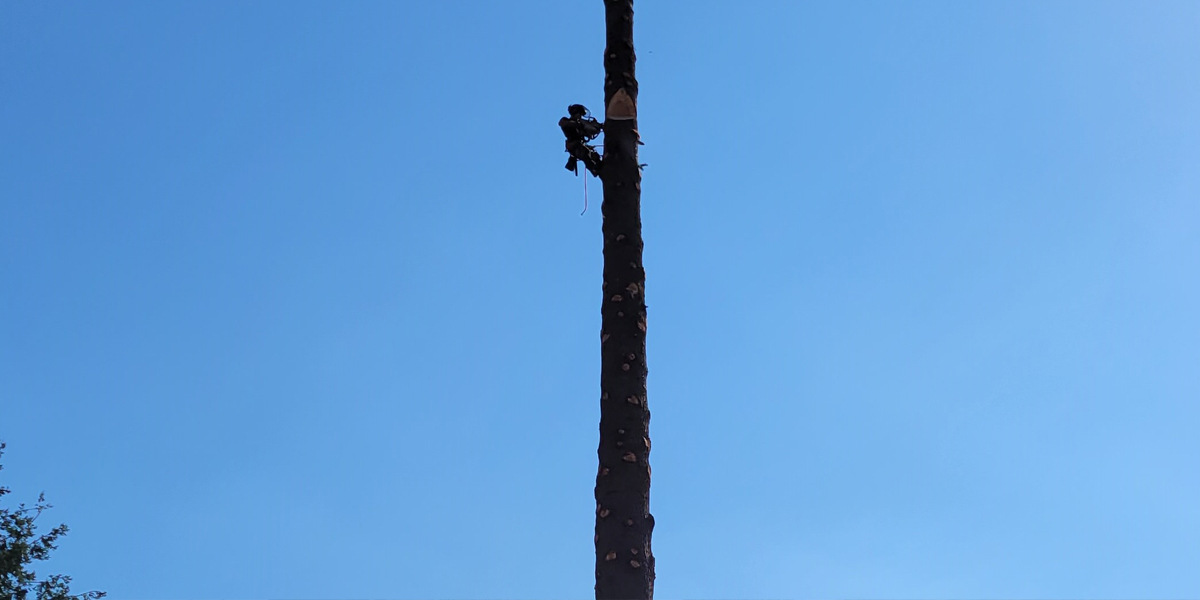
Leave Tree Limb Removal to the Pros
Your favorite tree needs a little maintenance to protect its health and aesthetic. Many home and business owners lack the skills required to create neat, perfectly shaped treetops through techniques like canopy thinning. Plus, you might unwittingly cause other concerns that arborists know how to avoid.
What Happens When You Do It Yourself?
Tree branch removal isn’t as simple as it seems. You can’t simply cut random limbs to make the tree look better or improve its health. One wrong incision can bring numerous risks, such as the ones detailed below.
You Could Damage Property
Some limbs keep debris from falling on your home or vehicles while others pose a potential threat. If you aren’t sure how to spot the differences between these structures, leave branch trimming to the pros. Plus, tree limb removal is often dangerous.
If you don’t have the proper equipment to stay steady or prevent heavy branches from falling without warning, you could hit a person or nearby building. Some people even injure themselves by falling from ladders or getting hit on the head with debris.
You Might Leave a Festering Wound Behind
Any limb cutting endeavor leaves a wound behind. The key to preventing these wounds from festering into rotting wood involves:
- Using sterilized pruners. Dirty blades can transfer pathogens from one specimen to another.
- Making clean, neat cuts at an angle. If you accidentally cut the limb at a rough angle, you could pave the way for future structural insecurities.
- Periodically checking the wound for signs of infection. Opportunistic infections are sneaky and can overtake healthy trees if the wound doesn’t heal quickly.
Otherwise, you might inadvertently introduce harmful bacteria into the open cut. Otherwise, new branch growth might develop at an insecure angle, creating structural issues later.
The Weather May Not Be Ideal
Cool but sunny weather during early spring is ideal for pruning trees. The environment inhibits fungal and bacterial growth, and the tree has the whole growing season to regenerate tough scar tissue to cover the wound.
Trees go dormant during autumn and winter. Dormancy prohibits their ability to regenerate healthy tissues. Plus, these pathogens can flourish in Dayton, Oregon’s damp, rainy weather during the cold, dormant season.
Summer is often too hot. As the tree actively grows, it disperses nutrients and hydration to all areas. It cannot relegate tissue healing and regeneration to one spot as easily.
Pick Oregon Arborist for Your Next Pruning Service in Dayton, Oregon
Don’t sweat tree limb removal. Let Oregon Arborist tackle this chore. Contact us about tree pruning services in Dayton, Oregon, and surrounding neighborhoods. Learn more now.