
Do you need to know what to do about exposed tree roots? Whether you’re worried about your specimen’s health or the aesthetic appeal of your yard, don’t make any hasty decisions just yet.
As the go-to tree removal experts in McMinnville, Oregon, our crew at Oregon Arborist knows a thing or two about unusual arboreal growth patterns. Keep reading as we break down the nitty-gritty details and help you make an informed decision.
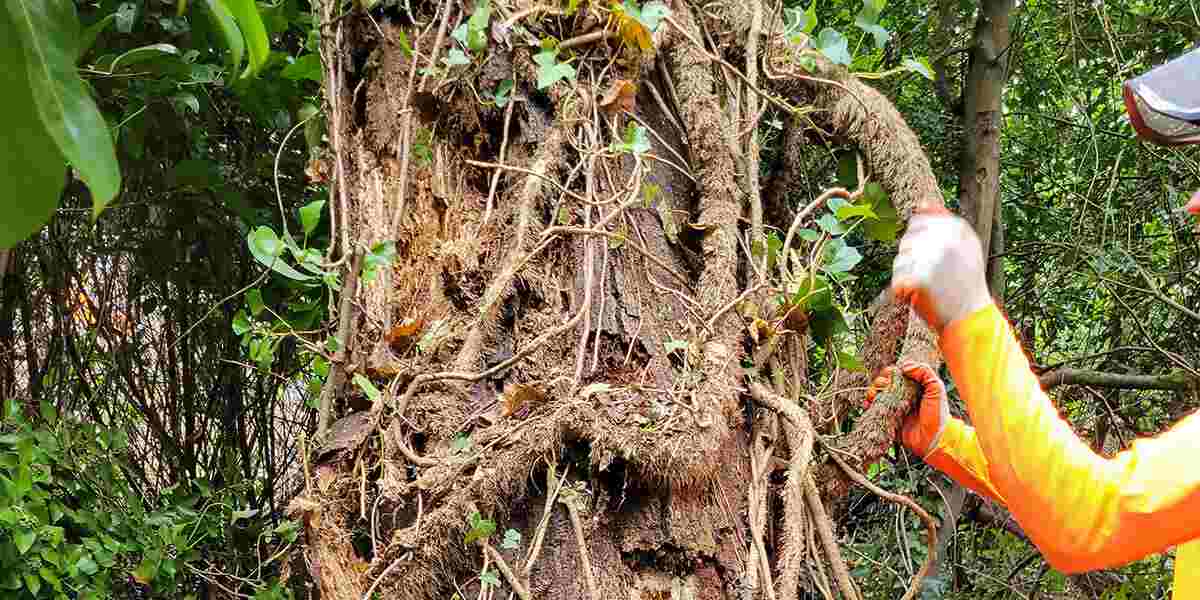
Why Does It Happen in the First Place?
One of the primary reasons for visible roots is erosion — wind, rain, and even foot traffic can whisk away the topsoil and leave the structure underneath exposed. Compacted soil or lack of nutrients might also drive roots upwards in a desperate search for sustenance and space.
Lastly, some tree species like poplar, willow, and silver maple have naturally shallow root systems. If you plan to add a new tree to your yard, you might want to consider other varieties for a streamlined look.
Dealing with Exposed Tree Roots
Knowing what to do about exposed tree roots can save your beloved specimen from potential damage. Possible strategies include:
Mulching
Applying a thin layer of mulch can become a real game changer. This organic route not only conceals those unsightly roots but also provides crucial moisture and reduces soil erosion.
However, don’t go overboard; anything more than a half-inch layer might suffocate the roots.
Ground Cover
A few well-placed bushes and low-growing plants in the soil surface can work wonders in camouflaging those bared roots. Before incorporating any greenery, ensure it can thrive under the same conditions as your tree and that it won’t compete for nutrients.
What Not To Do
Unless you want to see your tree slowly decline and become a mere shadow of its former self, never:
- Add more soil: Unlike mulch, which is porous and allows air to pass, piling on more soil over roots can smother them, leading to oxygen deprivation.
- Trim: Chopping away even a small part of a tree’s root zone could severely damage its stability and uptake of water and nutrients. It’s similar to cutting off a lifeline.
- Grow grass: Grass has a hard time growing in the shade and often competes with the tree for nutrients. Mowing them for maintenance will also become challenging, not to mention the risk of the tree roots taking damage.
Consult a Local Arborist for Your Peace of Mind
When it comes to landscape care, it’s easy to feel overwhelmed and make mistakes that could do more harm than good. Give your tree the best chance of survival by leaving this task to Oregon Arborist.
Our specialists can assess its health and recommend the appropriate solution. In rare cases, we might have to remove it to ensure the safety of your property. Dial (503) 899 4166 today — we know exactly what to do about exposed tree roots!
Explore other parts of our blog and learn about vital tree nutrients.